Maximizing Car AC Efficiency: 5 Strategic Tips for the 2026 Vietnamese Summer
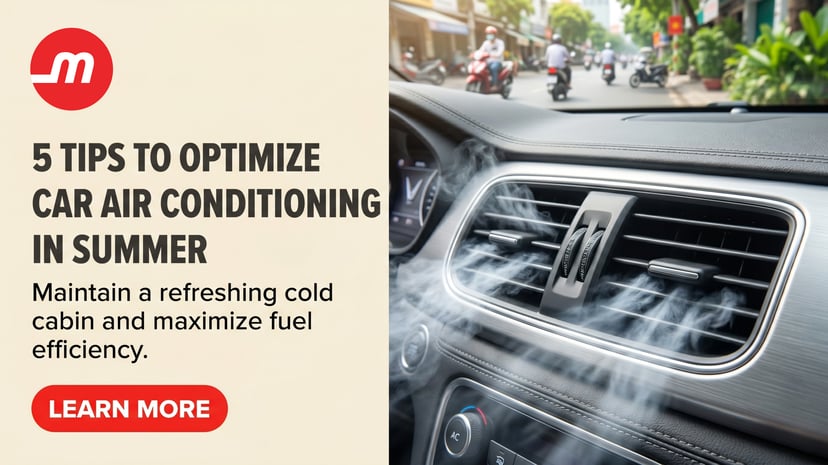
As we navigate the record-breaking heatwaves of 2026 in major Vietnamese hubs like Hanoi and Ho Chi Minh City, the automotive air conditioning (AC) system has transitioned from a luxury to a critical operational component. According to the Automotive Industry Deep Dive Analysis, running an AC system at maximum capacity in a tropical environment can increase fuel consumption or decrease EV range by as much as 20%.
Strategic Insight:
Optimizing your AC isn't just about comfort; it's about vehicle longevity. A well-maintained cooling system prevents engine overheating and preserves the resale value of your asset. If you are considering an upgrade to a newer model with advanced thermal management, start by checking your current vehicle's worth with Car Valuation by Motorist.1. The Thermodynamics of Pre-Cooling (Heat Displacement)
When a vehicle is parked under direct sunlight in Vietnam, interior temperatures can surge to 65°C. Entering the cabin and immediately setting the AC to its lowest temperature ("LO") is the most common mistake. This forces the compressor to engage at maximum torque while the evaporator is saturated with superheated air, leading to premature wear on the compressor clutch.
Expert Action: Use the "Fanning Technique." Lower the passenger-side window and swing the driver’s door open and shut 5-10 times. This creates a pressure differential that flushes out the hot air in seconds. When you start driving, keep the windows down for the first two minutes with the fan on high but the AC compressor off. Once the ambient interior air matches the outside temperature, roll up the windows and engage the AC.
2. Mastering Air Recirculation Strategies
In the dense, polluted traffic of Vietnam's urban centers, the Recirculation Mode is your best ally. By recycling the already-cooled air inside the cabin, the system works significantly less than it would if it were constantly cooling 40°C outside air.
However, there is a technical trade-off. Prolonged recirculation leads to an increase in CO2 levels and a decrease in humidity, which can cause driver fatigue.
Risk Factor:
On long highway hauls, switch to "Fresh Air" mode for 5 minutes every hour. This prevents oxygen deprivation and maintains alertness, a crucial factor in Vietnam's high-traffic regional expressways.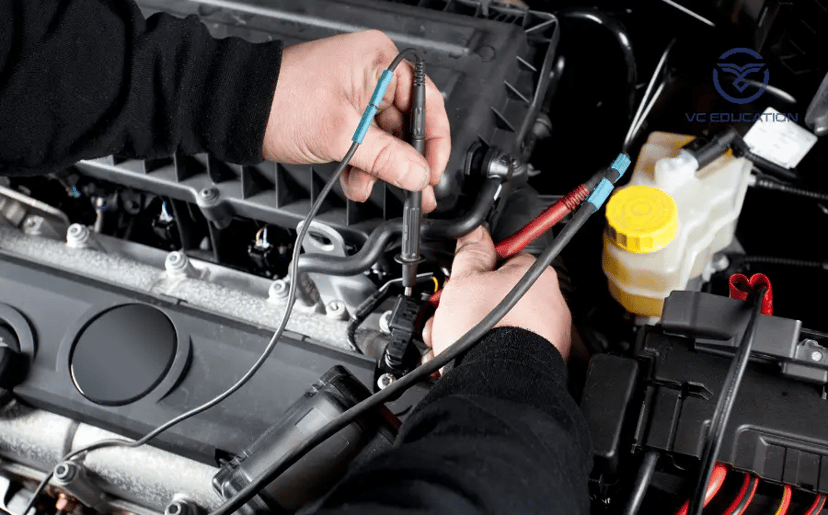
Regular maintenance of the cabin filter and condenser is essential to prevent system failure during peak summer months.
3. Localized Maintenance: Beyond the "Screw Curse"
By 2026, Vietnam's automotive supply chain has matured significantly (Source: Vietnam News, 2026). High-quality, locally-produced HEPA cabin filters are now widely available and outperform many generic imports in filtering the PM2.5 dust prevalent in Hanoi.
- Replace Cabin Filters every 10,000km: A clogged filter restricts airflow by up to 50%, making the system feel "weak" even if the compressor is healthy.
- Condenser Cleaning: The condenser, located behind the front grille, is prone to clogging with road debris. A simple low-pressure water rinse during your weekly car wash can improve heat exchange efficiency by 15%.
- Refrigerant Audit: Most vehicles in 2026 have shifted to R1234yf refrigerant. Ensure any "top-ups" are done with high-purity gas to avoid internal system corrosion.
4. Passive Cooling: Tints and Reflective Barriers
The best way to optimize an AC system is to prevent heat from entering the cabin in the first place. In Vietnam, where solar radiation is intense, high-quality Nano-Ceramic window films are a strategic necessity.
Technical Specification: Look for films with a Total Solar Energy Rejection (TSER) rating of over 60%. However, be mindful of the 2026 Vietnam Register (Cục Đăng Kiểm) regulations, which mandate at least 70% Visible Light Transmission (VLT) for the front windshield to pass inspection.
5. The "Dry-Out" Shutdown Protocol
Ever noticed a musty, "old sock" smell when you turn on your AC? That is caused by fungal growth on the evaporator core due to moisture.
Strategic View: Approximately 2-3 minutes before you reach your destination, turn off the AC button (compressor) but leave the fan running. This allows the ambient air to dry out the condensation on the evaporator. Not only does this prevent odors, but it also reduces the electrical load on your battery when you restart the vehicle later.
If your vehicle’s cooling system is consistently failing despite these interventions, it may be a sign of structural aging. In such cases, exploring the secondary market might be more cost-effective. You can easily Sell Your Car with Motorist to transition into a model with more modern, efficient climate control technology.
Technical Deep Dive: The Shift to Zonal Architecture
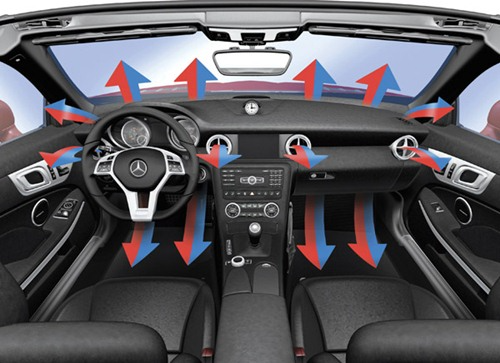
The 2026 automotive landscape is dominated by "Software-Defined Vehicles" (SDV). Modern AC systems are now integrated into the vehicle's Zonal Architecture. Unlike legacy systems that cool the entire cabin uniformly, new systems use infrared sensors to detect passenger body heat and direct airflow only where needed. This "targeted cooling" is essential for Electric Vehicles (EVs) where every watt saved translates to extra kilometers on the road.
Frequently Asked Questions (FAQ)
Q: Does leaving the AC on while starting the car damage the engine?
A: Modern ECUs (Engine Control Units) automatically delay the compressor engagement for a few seconds after the engine starts to prevent excessive load on the starter motor. However, it is still a good practice to start the car with the AC off to prolong battery life.
Q: Why is my AC blowing cold air but very little wind?
A: This is almost certainly a clogged cabin air filter. In Vietnam’s dusty environment, these filters can reach capacity much faster than the manufacturer-recommended intervals.
Q: Is it true that driving with windows down is more efficient than using AC?
A: Only at low speeds (under 60km/h). At highway speeds, the aerodynamic drag caused by open windows consumes more fuel than the AC compressor does.
Conclusion
Optimizing your car's air conditioning in the 2026 Vietnamese summer is a blend of smart habits and technical maintenance. By following these 5 expert tips, you ensure a comfortable ride while significantly reducing your vehicle's carbon footprint and fuel costs. Stay cool, drive smart, and always keep your vehicle in peak condition.
| Maintenance Task | Recommended Interval | Impact |
|---|---|---|
| Cabin Filter Replacement | Every 10,000 km | Air Quality & Flow Rate |
| Condenser Cleaning | Every 6 Months | Heat Exchange Efficiency |
| Refrigerant Check | Annually | Cooling Speed & Depth |