Beijing Auto Show Spotlight: Omoda & Jaecoo Unveil Omoda 4 and Omoda 7 – The Strategic Disruption of the Southeast Asian Market
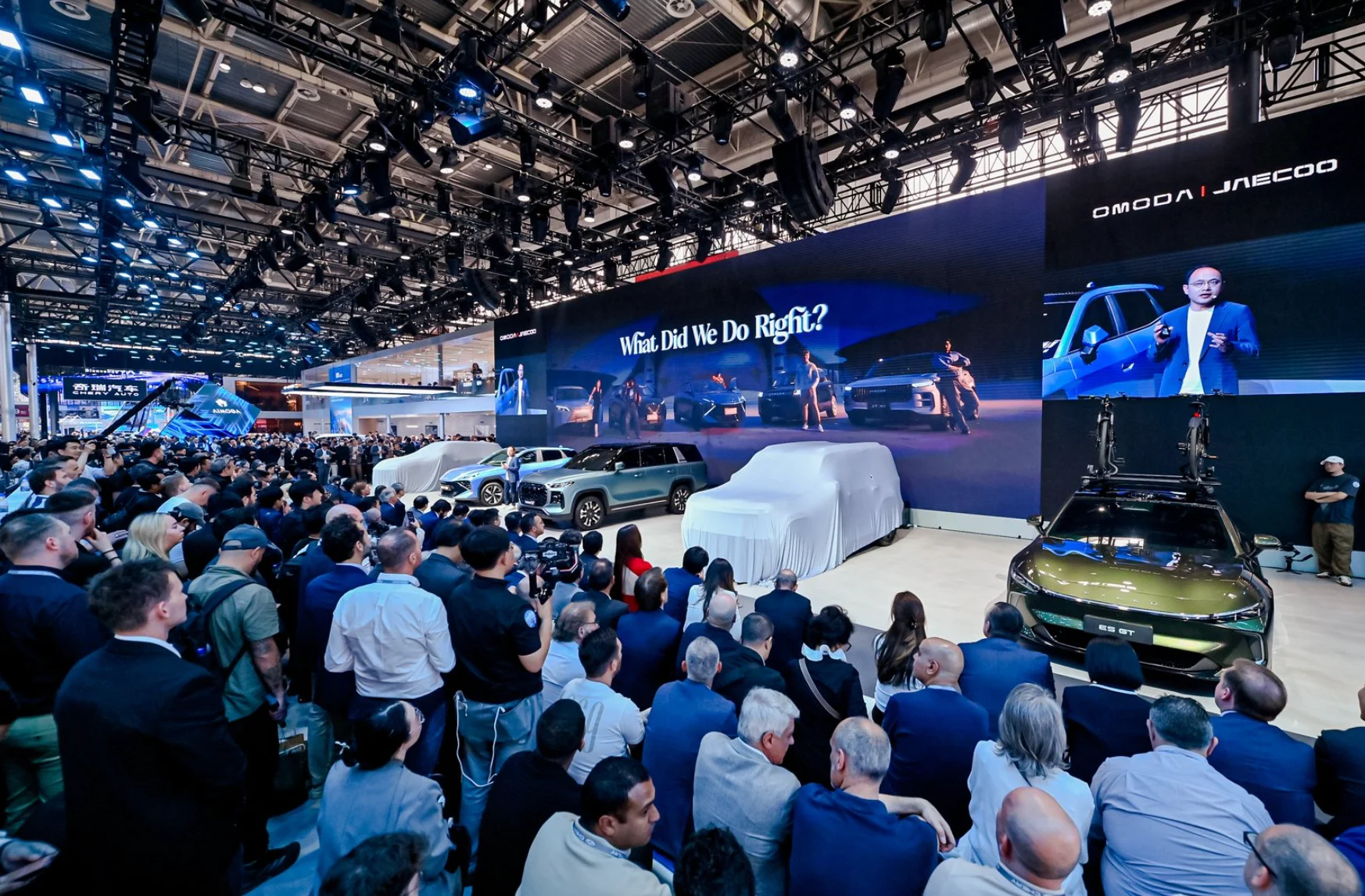 The Beijing International Automotive Exhibition (Beijing Auto Show) has evolved into the definitive global stage for the future of mobility. This year, the focus was unequivocally captured by Omoda & Jaecoo. As the twin high-end brands under the Chery Group umbrella, they utilized the event to debut two critical pillars of their future portfolio: the Omoda 7 and the Omoda 4. These models represent more than just incremental updates; they are the physical manifestation of a $800 million strategic commitment to regional manufacturing, particularly within the Vietnamese industrial corridor.
Omoda 7: Re-Engineering the Flagship SUV via "Art in Motion"
The Omoda 7 arrives as a sophisticated contender in the C-SUV segment, a territory currently dominated by established Japanese and Korean legacy models. However, the Omoda 7 differentiates itself through a fusion of digital-first aesthetics and a robust Plug-in Hybrid (PHEV) powertrain designed for long-distance efficiency.
Technical Architecture & Performance Metrics
At the core of the Omoda 7 is the Super Hybrid System. This architecture integrates a 1.5L Turbocharged engine with a high-efficiency electric motor. Unlike standard hybrids, this PHEV setup prioritizes electric torque for urban environments while maintaining a staggering combined range for highway traversal.
Strategic Insight (Market Implication):
By offering a 1,200km range, Omoda effectively neutralizes the primary barrier to EV adoption in Southeast Asia: infrastructure anxiety. For a Vietnamese consumer traveling between Hanoi and Ho Chi Minh City, the Omoda 7 represents a "no-compromise" transition into the green mobility era. (Source: Motorist Intelligence Dossier 2026).
Omoda 4: The Urban Vanguard for Gen-Z
While the Omoda 7 targets the premium family segment, the Omoda 4 is surgically precision-engineered for the urban youth. Positioned as a B-SUV, it competes directly with regional stalwarts. The Omoda 4 utilizes the "Cyber Mecha" design language, characterized by sharp geometric lines and a high-contrast color palette.
Technically, the Omoda 4 is not a "stripped-down" version of its larger sibling. It retains a high level of ADAS (Advanced Driver Assistance Systems) and a 1.5L Turbo engine producing 224 hp. This power-to-weight ratio makes it one of the most agile performers in the compact SUV category, specifically tailored for the dense, high-traffic urban centers of Hanoi and Ho Chi Minh City.
The Omoda 4 targets the "New Generation" of car buyers who prioritize digital integration and aggressive styling over traditional brand heritage.
The Vietnam Joint Venture: A $800 Million Industrial Landmark
The most critical context for the Beijing Auto Show reveal is the localized production roadmap. Chery Group, through its Omoda & Jaecoo brands, has entered into a strategic joint venture with Geleximco Group to establish a manufacturing base in Thái Bình Province.
Risk Factor Analysis:
Establishing a local plant is a high-stakes move. While it bypasses high import tariffs (CBU taxes), the success of Omoda depends on the local supply chain's ability to maintain the "screw curse" avoidance. Chery must ensure that localization does not dilute the technical sophistication seen in the Beijing prototypes.
According to the Motorist Strategic Intelligence Dossier, the plant is scheduled for Phase 1 completion by Q1 2026, with an initial capacity of 50,000 units per year. This facility will not only serve the domestic Vietnamese market but will likely function as an export hub for the broader ASEAN region, leveraging the ATIGA (ASEAN Trade in Goods Agreement).
Strategic Comparison: Omoda 7 vs. Mazda CX-5 (SUV-C Segment)
For the Vietnamese buyer, the Omoda 7 represents a "Smart Luxury" alternative to the Mazda CX-5. While the CX-5 is praised for its reliability and organic "Kodo" design, Omoda 7 counters with:
- Digital Superiority: The sliding 15.6-inch screen and Snapdragon 8155 chipset offer a smartphone-like fluidity that Mazda’s MZD Connect cannot match.
- Energy Versatility: The PHEV system allows for 95km of silent, pure-electric urban commuting, which is impossible in a standard internal combustion engine (ICE) vehicle.
- Futuristic Aesthetics: The "Art in Motion" design appeals to a younger, tech-savvy demographic that views the car as a wearable technology device rather than just transportation.
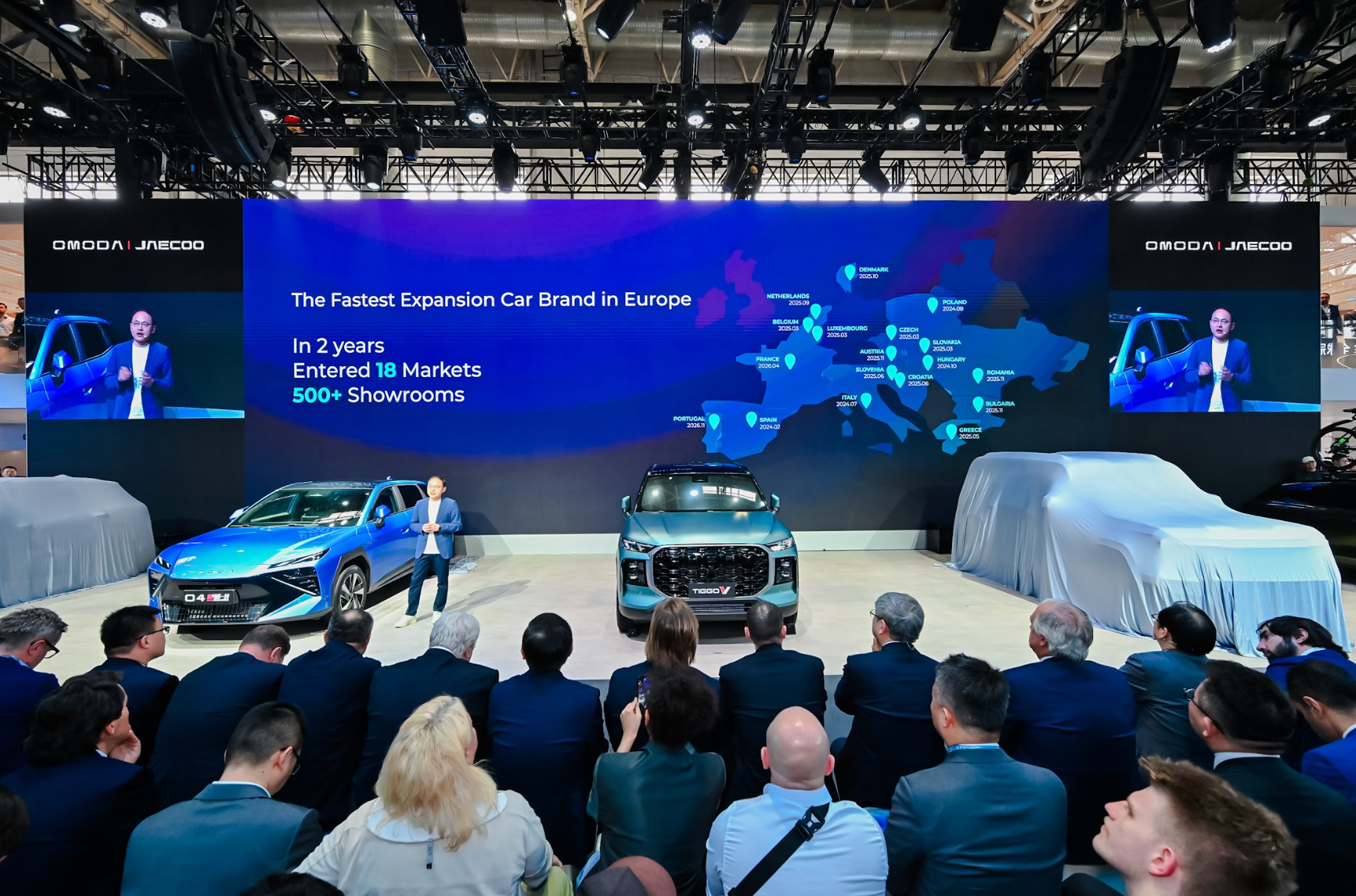
Market data suggests Chinese automotive brands could capture up to 25% of the premium SUV segment in Vietnam by 2028.
The "O-Universe" Ecosystem: Beyond the Vehicle
Omoda is not just selling cars; they are marketing a lifestyle ecosystem known as O-Universe. This strategy involves co-branded lifestyle products, exclusive member events, and a highly integrated mobile app that manages everything from remote climate control to community engagement. In a market like Vietnam, where community and social status are tightly linked to vehicle ownership, this ecosystem could be the "X-factor" for brand loyalty.
Expert Verdict: Is the Omoda 7 Worth the Wait?
If your priority is technological novelty and fuel versatility, the Omoda 7 is arguably the most exciting SUV-C prospect for 2026. However, prospective buyers should monitor the rollout of the Omoda service network in Vietnam to ensure long-term maintenance reliability.
Before transitioning to a new-energy vehicle like the Omoda 7, it is critical to understand the current liquidation value of your existing vehicle. Utilizing professional car valuation services can ensure you maximize your trade-in potential.
Ready to upgrade to the future of mobility?
Get a Professional Car Valuation Sell Your Car for the Best PriceFrequently Asked Questions (FAQ)
1. What is the difference between Omoda 7 and Omoda 4?
The Omoda 7 is a flagship C-SUV focused on premium tech and long-range PHEV travel. The Omoda 4 is a compact B-SUV designed for urban agility and a younger demographic.
2. Will Omoda 7 be manufactured in Vietnam?
Yes, under the Geleximco-Chery joint venture, Omoda models are slated for assembly at the new $800 million facility in Thái Bình Province starting in 2026.
3. How safe are Omoda vehicles?
Omoda models are engineered to meet global 5-star safety standards. The Omoda 5 (predecessor) already holds a 5-star Euro NCAP rating, setting a high benchmark for the 7 and 4 series.
Final Analysis
The Beijing Auto Show reveal of the Omoda 7 and 4 is a clear signal that Chery Group is no longer playing the "budget" card. They are competing on innovation, design, and manufacturing scale. For the Vietnam automotive sector, this represents a significant injection of capital and technology that will force legacy players to accelerate their own green transitions. As the Thái Bình plant nears completion, the Omoda brand is well-positioned to become a dominant force in the regional mobility landscape.
This strategic analysis was generated by the Automotive SEO Content Engine based on 2024 Beijing Auto Show data and the 2026 Motorist Regional Intelligence Dossier.