How to Store Cars & Motorcycles That Use E10 Gasoline But Are Rarely Used | Motorist Vietnam
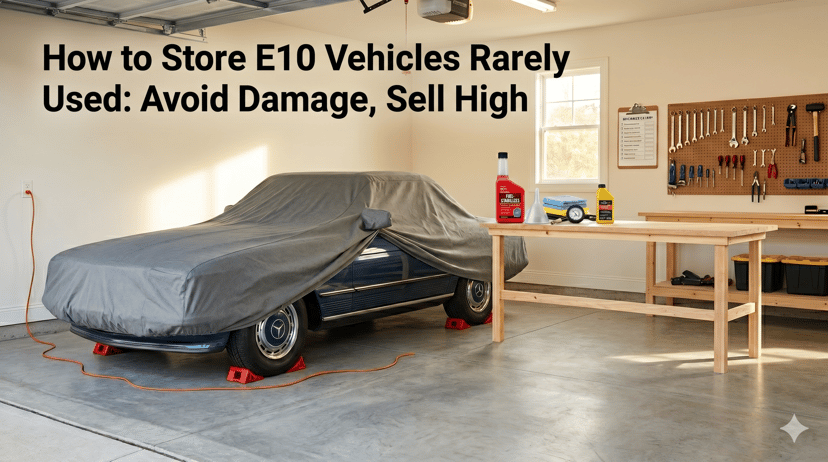
E10 gasoline is being rolled out across Vietnam as part of the national biofuel roadmap. But if your car or motorcycle runs on E10 and is rarely driven — sitting in the garage for weeks or even months at a time — you may be facing serious mechanical damage that most owners never see coming. According to automotive engineers, E10 gasoline contains 10% ethanol, which can begin to break down in as little as 30 days without proper storage measures.
Advice from Motorist:
Your vehicle's mechanical condition directly affects how much you get when you decide to sell. A well-maintained car or motorcycle — even one that's rarely used — will always command a significantly higher price from dealers. If you're thinking about selling your vehicle with Motorist Vietnam, register now to receive the highest quote from multiple trusted dealers — completely free of charge.1. What Is E10 Gasoline and Why Is It Risky for Stored Vehicles?
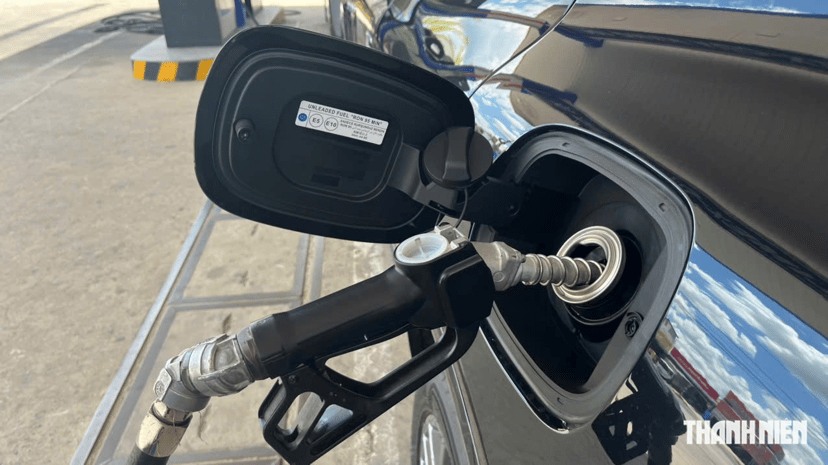
E10 is a fuel blend made up of 90% conventional gasoline and 10% ethanol (bio-alcohol). It burns cleaner than pure petrol, but carries an important characteristic that vehicle owners must understand: ethanol absorbs moisture and degrades faster than regular gasoline.
When a vehicle sits unused, the ethanol in E10 draws water vapour from the surrounding air. Over time, this causes the ethanol to separate from the gasoline — a process known as phase separation. The resulting mixture becomes mildly acidic, corroding metal components inside the carburettor, damaging the fuel pump, and degrading rubber fuel lines. These are not cheap repairs.
Important Warning:
If your vehicle uses E10 gasoline and has been left sitting for more than 4 weeks without any storage precautions, you may already be looking at fuel system repairs — or even a full fuel pump or injector replacement. Vietnam's hot and humid climate can accelerate E10 breakdown to as little as 2–3 weeks.2. Warning Signs Your Vehicle Has Been Affected by Old E10 Fuel
Many owners don't notice a problem until significant damage has already occurred. Here are the early warning signs to watch out for:
- Difficulty starting or complete failure to start, even with a healthy battery
- Rough idle — engine running unevenly or shaking when stationary
- Noticeably higher fuel consumption than before
- Strange fuel smell or a faint sour odour from the engine bay
- Check Engine warning light illuminated on the dashboard
- Yellow or brown deposits visible inside the fuel tank
If you notice any of these signs, take your vehicle to a mechanic immediately rather than continuing to drive it. Running an engine on degraded E10 can cause irreversible damage to the entire fuel system.
3. Use a Fuel Stabilizer — The Single Most Important Step
If you know your vehicle will be sitting unused for an extended period, adding a fuel stabilizer is the most effective precaution you can take. Fuel stabilizers are chemical additives that neutralise the harmful effects of ethanol, prevent oxidation, and significantly extend the shelf life of E10 in your tank.
How to use it: Add the stabilizer to your fuel tank according to the product's recommended ratio, then run the engine for 5–10 minutes so the treated fuel circulates through the entire fuel system. A single treatment can extend E10's usable life by 12–24 months, making it far more cost-effective than any fuel system repair bill.
Expert Tip:
For motorcycles with a carburettor (non-fuel-injected engines), turn off the fuel petcock and let the engine run until it stalls naturally before storing the bike. This drains any remaining E10 from the carburettor bowl, preventing the varnish and gum deposits that cause blockages after long storage periods.4. Managing the Fuel Level in the Tank
How much fuel is in the tank when you store a vehicle matters more than most people realise. You have two approaches depending on how long the vehicle will be stored:
Fill the tank (recommended for under 3 months): A full tank minimises the air space inside, reducing the amount of moisture that can come into contact with the fuel. This is the most practical option for most owners and significantly slows down the ethanol absorption process.
Drain the tank completely (recommended for over 3 months): For long-term storage, draining all fuel from the tank and fuel lines is the most thorough approach. After draining, run the engine until it shuts off from fuel starvation to ensure no old E10 remains trapped in the lines or carburettor.
Safety Notice:
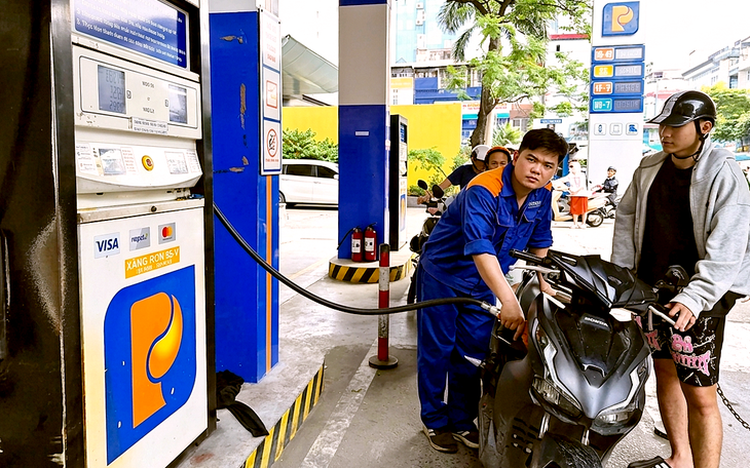
When draining fuel, always turn off the engine and allow the vehicle to cool completely beforehand. Use a proper siphon tool designed for fuel, or take the vehicle to a mechanic to have it done safely. Never use open flames or spark-producing tools anywhere near gasoline.5. Start the Engine Regularly and Maintain the Battery
Even if you rarely drive the vehicle, allowing it to sit completely dormant for extended periods causes a cascade of problems beyond just fuel degradation. Engine oil settles and loses its lubricating film, the battery slowly self-discharges and weakens, and rubber seals and gaskets dry out and crack over time.
The fix: Every two weeks, start the engine and drive for at least 15–20 minutes — long enough for the engine to reach operating temperature, circulate the oil, and push fresh fuel through the system. Simply idling in the driveway without driving is not sufficient and does not provide the same benefits.
For the battery, use a trickle charger or battery maintainer if the vehicle will be stored for an extended period. If one isn't available, disconnecting the negative battery terminal will prevent self-discharge. A flat battery combined with degraded fuel is by far the most common reason vehicles fail to start after a long holiday break.
6. Cars vs. Motorcycles: Key Differences in Storage
For cars: Modern cars with electronic fuel injection (EFI) are less vulnerable to fuel deposits than older carburettor-equipped vehicles. However, fuel filters and electric fuel pumps can still be affected if E10 undergoes phase separation. Additionally, be sure to change the engine oil before long-term storage — old oil contains acids and moisture that will corrode internal engine components while the engine sits idle.
For motorcycles: Motorcycles have smaller fuel tanks, meaning E10 is exposed to a higher surface-area-to-volume ratio of air — accelerating the degradation process. Older carburettor bikes are particularly at risk, as ethanol can dissolve certain paints and degrade aged rubber components, causing leaks and blockages. Modern fuel-injected scooters carry lower risk, but are not entirely immune.
Advice from Motorist:
A vehicle that has been properly stored — even if barely driven — retains its value far better on the resale market. If you're ready to sell your used car or motorcycle at the best price, register your details with Motorist Vietnam today. We'll connect you with multiple reputable dealers so you can choose the highest offer — at no cost and with no obligation.Frequently Asked Questions (FAQ)
Q: How long does E10 gasoline last in a vehicle's fuel tank?
A: Without a fuel stabilizer, E10 begins to degrade within 20–30 days under normal conditions. Vietnam's hot and humid climate can shorten this to as little as 2–3 weeks. With a quality fuel stabilizer added, the shelf life can be extended to 12–24 months.
Q: Should I switch to regular gasoline if I know the vehicle will be stored?
A: That's an option, though pure petrol can be harder to find in some areas. If E10 is your only choice, combining it with a fuel stabilizer is the most practical and effective solution currently available to most Vietnamese vehicle owners.
Q: Can a vehicle damaged by old E10 still be sold for a good price?
A: If all issues have been properly repaired and no hidden faults remain, yes — but the resale price will typically be lower than a well-maintained vehicle. Buyers and dealers routinely detect problems through OBD diagnostics and test drives, which directly impacts the offer you receive.
Q: Does Motorist Vietnam help with selling motorcycles too?
A: Yes. Motorist Vietnam supports the sale of both used cars and used motorcycles. Simply register your vehicle details, and our platform will connect you with multiple dealers competing to give you the highest price — free of charge and with no commitment required.
Conclusion
Storing an E10-powered vehicle correctly doesn't require significant effort or expense — but the consequences of neglecting it can be costly. From using a fuel stabilizer and managing tank levels, to starting the engine regularly and maintaining the battery, each small habit contributes to protecting your vehicle's mechanical health and market value.
When you're ready to sell your used car or motorcycle, let Motorist Vietnam help you get the price your vehicle deserves — quickly, transparently, and completely free of charge.