New Vehicle Inspection Process: Why Are Many Car Owners Worried About Engine Damage?
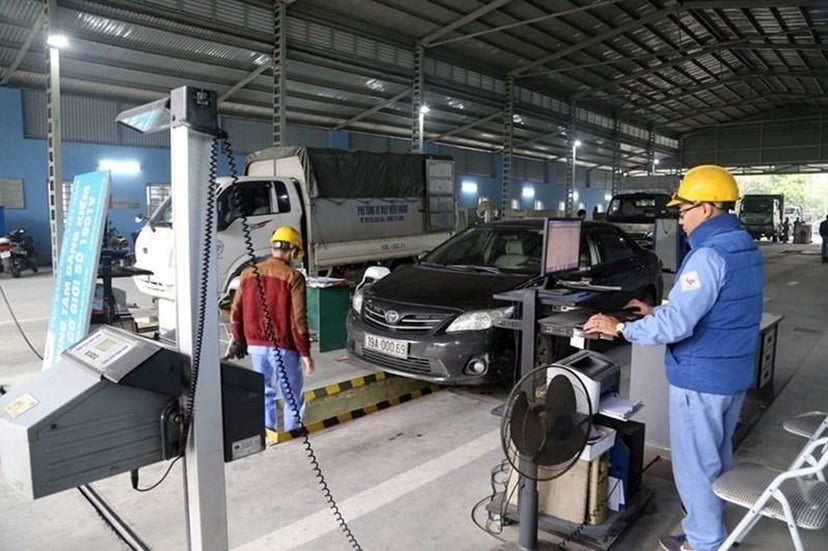
As environmental regulations tighten globally and locally, the vehicle inspection process in Vietnam has seen significant technical upgrades. However, this has been accompanied by a wave of consumer anxiety: Is high-intensity emission testing silently "killing" car engines? This article provides a deep dive into the technical and legal aspects to give you the most accurate perspective.
Why Are Owners Worried? The Reality of "Healthy In, Broken Out" Cases
Owner anxiety is not unfounded. On major automotive forums in Vietnam, it is easy to find stories of vehicles operating normally but exhibiting signs of distress after leaving the inspection center, such as unusual engine knocking, thick black smoke, or even complete turbocharger failure.
Commonly Reported Risks:
- Sudden Overheating: Revving the engine in a static state (without natural airflow for cooling) can overload the cooling system.
- Turbocharger Failure: Particularly common in diesel vehicles when inspectors apply sudden, heavy acceleration.
- Head Gasket Blown: Rapid increases in combustion chamber pressure can damage sealing components.
Emission Test Technical Details: How Much Revving is Required?
According to the National Technical Regulation QCVN 15:2011/BGTVT, the most common emission testing method today is the Free Acceleration Test. This procedure requires inspectors to depress the accelerator pedal fully for a short period to reach maximum engine speed or at least 2/3 of the rated power speed.
The purpose is to measure soot levels (for diesel) and CO/HC concentrations (for petrol) at peak load states. While modern engines are theoretically designed to handle these RPM levels, performing this while the vehicle is stationary—lacking natural airflow to cool the radiator and engine bay—remains a harsh trial.
Hidden Risks: Which Parts Are Most Vulnerable During Inspection?
Not all components face equal risk. Below are the technical "black spots" to watch for:
1. Turbocharger System
Turbos operate on exhaust pressure. During heavy acceleration, the turbo vanes can spin at tens of thousands of RPMs. If the lubricating oil lacks sufficient viscosity or is contaminated, the turbo shaft wears down rapidly, leading to whistling sounds or oil leaks.
2. Valve Train & Timing Components
For older vehicles with worn timing belts, sudden RPM changes can lead to belt snaps or skipped timing, resulting in catastrophic damage to valves and pistons.
Expert Strategy:
If you are concerned that engine maintenance costs are rising due to technical risks, consider using a quick car valuation service to understand your market value and decide on a timely vehicle upgrade.
Strategic Solutions: How to Pass Inspection Safely?
Instead of worrying, owners should proactively implement a protection "tactic" before entering the inspection line:
Clean Intake & Injectors
Helps the fuel mixture burn cleaner, reducing excess soot during heavy revving.
Fresh Oil Change
Ensures a stable oil film to protect the crankshaft and turbo at high RPMs.
Warm Up the Engine
Never enter the emission test with a cold engine; ensure the oil has reached ideal operating temperature.
Vision 2026: First-Time Inspection Exemptions
Great news for new car buyers: regulations for first-time inspection exemptions for unused vehicles have officially been implemented. This not only reduces the load on inspection centers but also protects brand-new cars from harsh tests during the critical engine break-in period.
However, for vehicles used for 3-5 years, inspection pressure remains a significant hurdle. If your current vehicle no longer meets increasingly strict Euro 5/6 standards, switching to a newer model is the most economically viable long-term solution.
Recommendation:
Own a new car to enjoy inspection exemption policies. Motorist helps you sell your old car for a high price transparently, creating the best financial source for your upgrade.
FAQ - Answers to Inspection and Engine Damage Concerns
1. Is an inspector revving the engine hard considered "car abuse"?
Technically, they are following regulations to measure emissions at maximum acceleration. However, if performed too many times consecutively or when the vehicle is already overheating, it can be considered an unsafe maneuver for the vehicle.
2. Are older cars more likely to suffer damage during emission testing?
Yes. Mechanical components on older cars suffer from fatigue. Suddenly forcing the RPM to 4000-5000 carries a much higher risk of piston failure or belt snapping compared to newer vehicles.
3. What should I do if my car breaks down at the inspection station?
Request an immediate on-site vehicle status report and check the surveillance cameras. Proving fault due to the inspector's actions is difficult unless there is clear evidence they deviated from technical protocols.
4. Why do new cars (Euro 5) still sometimes fail emission tests?
This is often due to poor quality fuel or a clogged Diesel Particulate Filter (DPF) caused by frequent short city trips where the engine doesn't reach high enough temperatures to self-regenerate.
5. Should I use engine cleaning additives before an inspection?
Yes, high-quality fuel system cleaners help clean the injectors, ensuring a more complete combustion process, which in turn reduces the concentration of toxic emissions.
(Source: Vietnam Register 2024, Transport Newspaper 2025, Bosch Automotive Technical Documents)