Why Do Hybrid Cars Fear Extreme Hot Weather?
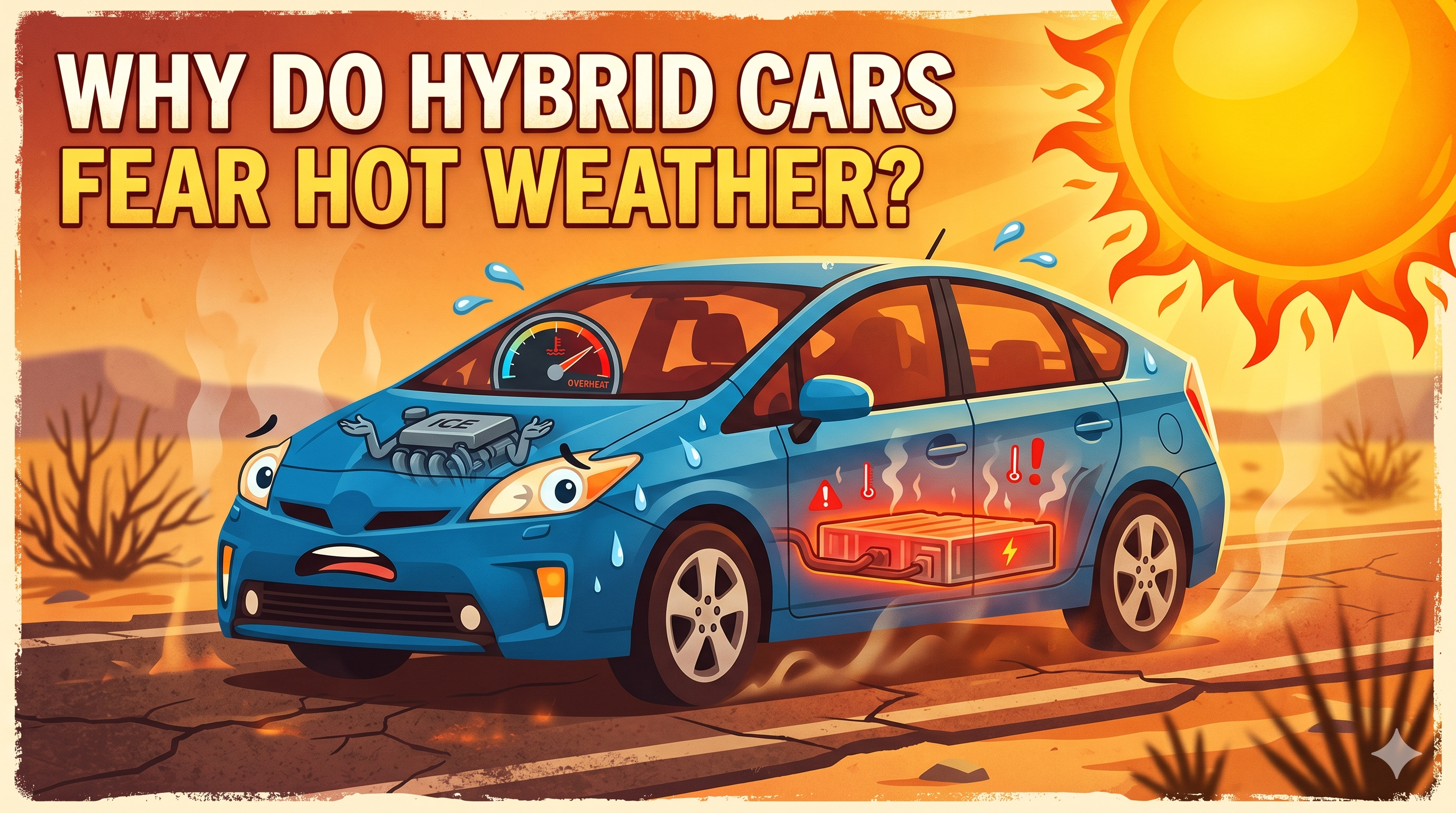
During scorching summer days, record-breaking hot weather is not only exhausting for people but also a massive challenge for vehicles. Aside from exciting automotive entertainment news like the gathering of valuable supercars on the streets of Hanoi , what many mass-market car owners care about right now is the stable operation of hybrid vehicles under the intense sun. Many studies and real-world cases show that this gasoline-electric hybrid lineup really "fears" harsh summer weather. Let's decode the reasons right below.
1. Hybrid Car Batteries Suffer Reduced Lifespan and Performance
The high-voltage battery pack (Lithium-ion or NiMH) is considered the "heart" of the hybrid vehicle system. Technically, the ideal operating temperature range for a hybrid battery is between 15°C and 35°C. When the ambient temperature rises beyond this threshold, chemical reactions inside the battery occur at an accelerated rate, leading to:
- Rapid battery degradation: Extreme temperatures accelerate the natural aging process of the battery cells, reducing their energy storage capacity over time.
- Self-discharge phenomenon: Under the impact of high temperatures, batteries tend to lose energy much faster even when the vehicle is parked and turned off.
2. Significantly Increased Fuel Consumption
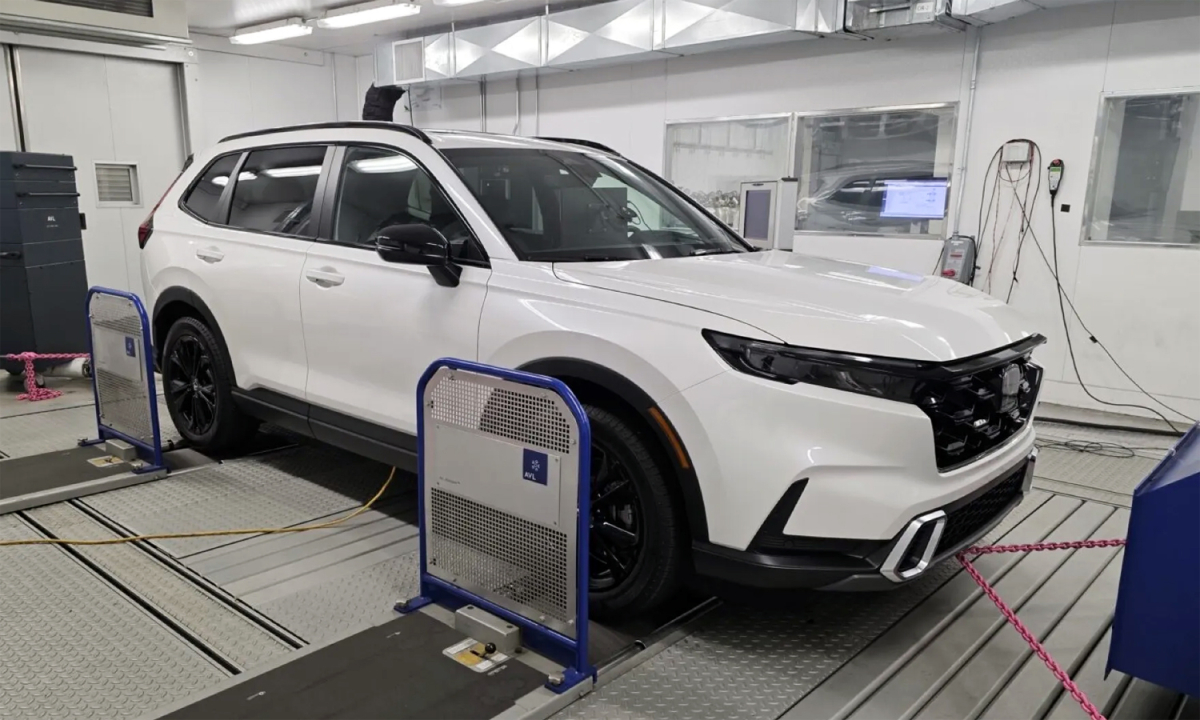
Many car owners are surprised to see their hybrid cars—famed for fuel efficiency—consuming significantly more gasoline in the summer. According to real-world studies, when temperatures reach 35°C (95°F), the fuel economy performance of hybrid cars can drop by up to 12%.
The reason is that the vehicle's Battery Management System (BMS) will actively limit battery charging and discharging to protect the battery pack from overheating. At this point, the central computer will prioritize activating the gasoline engine more often to run the vehicle while simultaneously bearing the load for the air conditioning (A/C) system, which is already operating at full capacity to cool the cabin.
3. Overloaded Battery Cooling System
To maintain a safe temperature for the battery pack, the hybrid car's cooling fan and radiator system must work continuously at high intensity. If the battery cooling air filter is clogged with dirt or the cooling system encounters malfunctions, the risk of the battery overheating—leading to a sudden shutdown of the electrical system or a "Hybrid System Malfunction" warning—is very high.
How to Protect Hybrid Cars in Hot Weather
- Park in the shade: Always prioritize parking basements, under tree shade, or use heat-insulating car covers and dedicated windshield sunshades.
- Maintain the battery cooling system periodically: Regularly check and clean the air filter of the hybrid battery cooling fan (usually located under the rear seats).
- Do not charge the battery immediately (For Plug-in Hybrid Vehicles - PHEV): Avoid plugging in to charge right after driving a long distance under the hot sun; let the car and the battery cool down for about 30 minutes.
If you feel your current car frequently encounters battery issues or you want to upgrade to a newer model with a more advanced thermal management system, you can check out the quick and profitable car selling solution at Sell car with Motorist Việt Nam .
Frequently Asked Questions (FAQ)
1. Does hot weather increase the risk of hybrid car battery fires or explosions?
Modern hybrid cars are equipped with intelligent battery management systems. If the battery temperature exceeds safe thresholds, the car will actively issue warnings, limit electric motor power, or completely cut off the high-voltage power supply for protection. Therefore, the risk of spontaneous fire or explosion is extremely low unless the vehicle has been improperly modified.
2. Why does my hybrid car run less in pure electric mode (EV Mode) during summer?
When it's hot, the cabin air conditioning system consumes a massive amount of electricity from the battery. At the same time, to prevent the battery from accumulating more heat due to continuous discharging, the system will command the gasoline engine to start more frequently to share the load and protect the battery.
3. How often should the hybrid battery air filter be cleaned?
According to recommendations from experts and manufacturers, users should inspect and periodically clean the battery cooling air filter every 10,000 - 15,000 km of operation, especially before entering the peak hot season of summer.