Where to Sell Your Car in Vietnam for the Best Price? 2026 Guide

Selling a vehicle in Vietnam in 2026 is a process that has been transformed by digital transparency and strict new registration laws. With the rise of energy-efficient models and a more demanding buyer base in major hubs like Hanoi and Ho Chi Minh City, choosing the right sales channel is paramount. This guide provides a deep dive into the four primary methods for liquidating your car, ensuring you maximize your return while maintaining total legal compliance.
The 2026 Market Context: Shifting Demand and Depreciation
The Vietnamese automotive landscape is currently experiencing a significant influx of new technology. As manufacturers introduce more competitive pricing for 2026 models, the second-hand market for traditional fuel-powered vehicles has become highly sensitive to pricing. For sellers, this means that "time on market" is the greatest enemy of value. A car that sits unsold for three months can see its market price drop significantly due to rapid technological cycles.
Market Insight: The Liquidity StrategyIn 2026, speed is money. Understanding the immediate trade-in value versus the long-term retail potential is vital. Using an online car valuation tool allows you to benchmark your expectations against real-time market data.
Method 1: Private Direct-to-Consumer Sales
Selling directly to an individual buyer remains a popular choice for those seeking the absolute highest price point. By bypassing intermediaries, you retain the full retail margin. However, this method is labor-intensive and carries specific risks in the modern Vietnamese market.
- High Management Effort: You are responsible for photography, listing management, and vetting every potential buyer.
- Security Risks: Private transactions are susceptible to deposit scams and fraudulent payment proofs.
- Legal Liability: If the ownership transfer is not handled correctly under the 2026 registration guidelines, you may remain legally liable for the vehicle's future fines.
Risk Warning: Direct Sale HazardsThe introduction of personal identification plates means the plate belongs to you, not the car. In a private sale, if you fail to complete the registration revocation process within 30 days, you face administrative fines and potential legal issues if the car is involved in an accident.
Method 2: Traditional Used Car Showrooms
Showrooms offer the benefit of immediate liquidation. You can drive in with a car and walk out with a bank transfer. However, this convenience comes with a "liquidity tax." Showrooms must cover their rent, staff, and reconditioning costs, typically offering 10% to 15% less than what the car would fetch in a private sale. Furthermore, without a competitive bidding environment, you are often at the mercy of the showroom's individual appraisal.

While traditional showrooms are fast, they rarely offer the highest price due to their high operational overheads.
Method 3: Consignment Services
Consignment allows you to display your car at a high-traffic dealership while retaining ownership until a sale is finalized. The dealer takes a service fee or commission. This sits between a private sale and a dealer sale in terms of profit. The downside is that your capital is locked in an asset that is not being used, and there is no guarantee on how long the sale will take.
Method 4: Digital Auction Platforms (The Motorist.vn Solution)
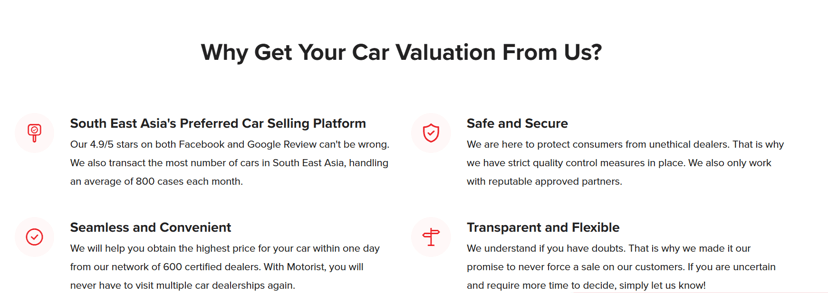
The most efficient way to sell a car in 2026 is through the Motorist.vn platform. This model reverses the traditional sales process. Instead of you searching for a buyer, Motorist brings a network of over 600 verified dealers to bid on your vehicle. This creates a competitive environment that naturally drives the price to its highest possible market value.
By utilizing a digital auction, you receive the highest bid within 24 hours. There is no haggling, no lowball offers from individuals, and no obligation to sell if the price does not meet your target. This platform offers the fastest way to receive a free car quote in 24 hours while ensuring all legal paperwork is managed by professionals.
Legal Essentials: Identification Plates and Revocation
Understanding the legalities of car sales in 2026 is mandatory. Under current regulations, the license plate is linked to your personal identity. When you sell your car, the plate does not go with the new owner. You must follow these specific steps:
- Notarization: Sign the sales agreement at a certified notary office.
- Revocation of Registration: Within 30 days, the seller must return the license plates and registration certificate to the police.
- Ownership Transfer: The buyer then pays the 2% registration fee and receives a new plate and registration under their name.
The Risk of Ignoring RevocationFailing to revoke your registration means that in the eyes of the law, you still own the vehicle. Any traffic violations or liabilities incurred by the new driver will be legally tied to your personal identity record.
Frequently Asked Questions (FAQ)
1. Is there a personal income tax on selling my car?
In Vietnam, the sale of personal assets like a car is generally not subject to personal income tax for individuals. The buyer, however, is responsible for paying the 2% registration fee based on the car's remaining value.
2. How long does it take to get paid through Motorist.vn?
Once you accept the highest bid and the car inspection is finalized, payment is usually processed immediately via bank transfer. The entire process from listing to payment can often be completed in as little as 24 to 48 hours.
3. Can I sell a car that is still under a bank loan?
Yes. You will need to settle the remaining balance with the bank to receive the original registration document. Professional dealers on the Motorist platform are well-versed in handling these settlements to ensure a smooth transition of ownership.
4. What happens to my old license plate?
After the revocation process, the police will hold your identification plate for five years. If you buy a new car within that timeframe, you can register it with your old plate number.
Conclusion: Maximizing Asset Value in the Digital Era
The traditional used car market in Vietnam has evolved. To ensure you receive the best possible price for your vehicle while navigating complex registration laws, the use of competitive digital platforms is essential. By choosing a transparent, dealer-networked auction, you eliminate the stress of negotiation and the risks of private sales. Experience a more professional way to liquidate your automotive assets and secure the highest market value today.