Testing the 2026 Google Maps Update in Vietnam: Futuristic Innovation Meets Local Implementation Gaps
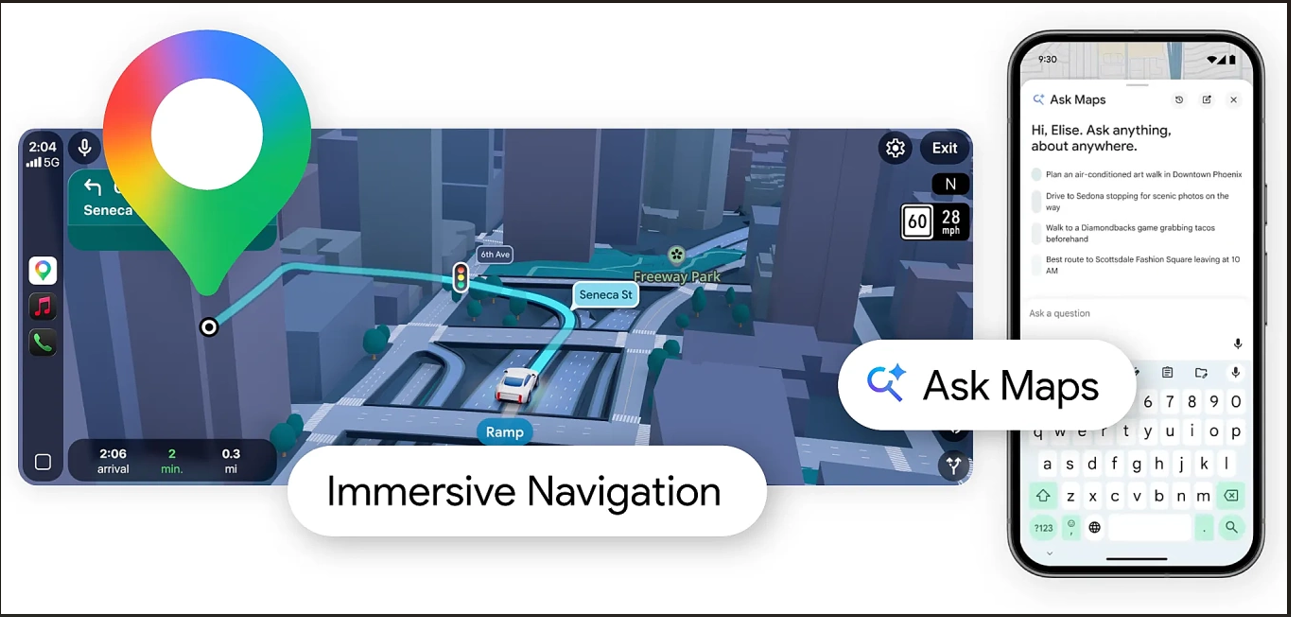
In early 2026, Google officially rolled out its most ambitious update to the Maps ecosystem in Southeast Asia. For Vietnamese drivers, this represents more than just a palette swap; it is the debut of the "Ask Maps" conversational AI and "Immersive Navigation." However, as the digital landscape of Vietnam undergoes its own massive transformation—specifically the administrative merger of 63 provinces into 34—the gap between Silicon Valley’s vision and the reality of Hanoi or Ho Chi Minh City streets has never been more apparent.
1. The Gemini AI Integration: "Ask Maps" in the Vietnamese Context
The core of the 2026 update is the replacement of the traditional search bar with a Gemini-powered conversational interface. Instead of typing "Gas station," users can now ask complex, context-aware questions such as: "Find a coffee shop in District 1 that has car parking and is quiet enough for a meeting."
2. The Administrative Crisis: Managing the 34-Province Merger
Vietnam is currently executing a historic administrative reorganization, consolidating its 63 provinces into 34 units to streamline governance. Google Maps has begun the process of redrawing these boundaries, but the rollout is inconsistent (Source: VOV 2026).
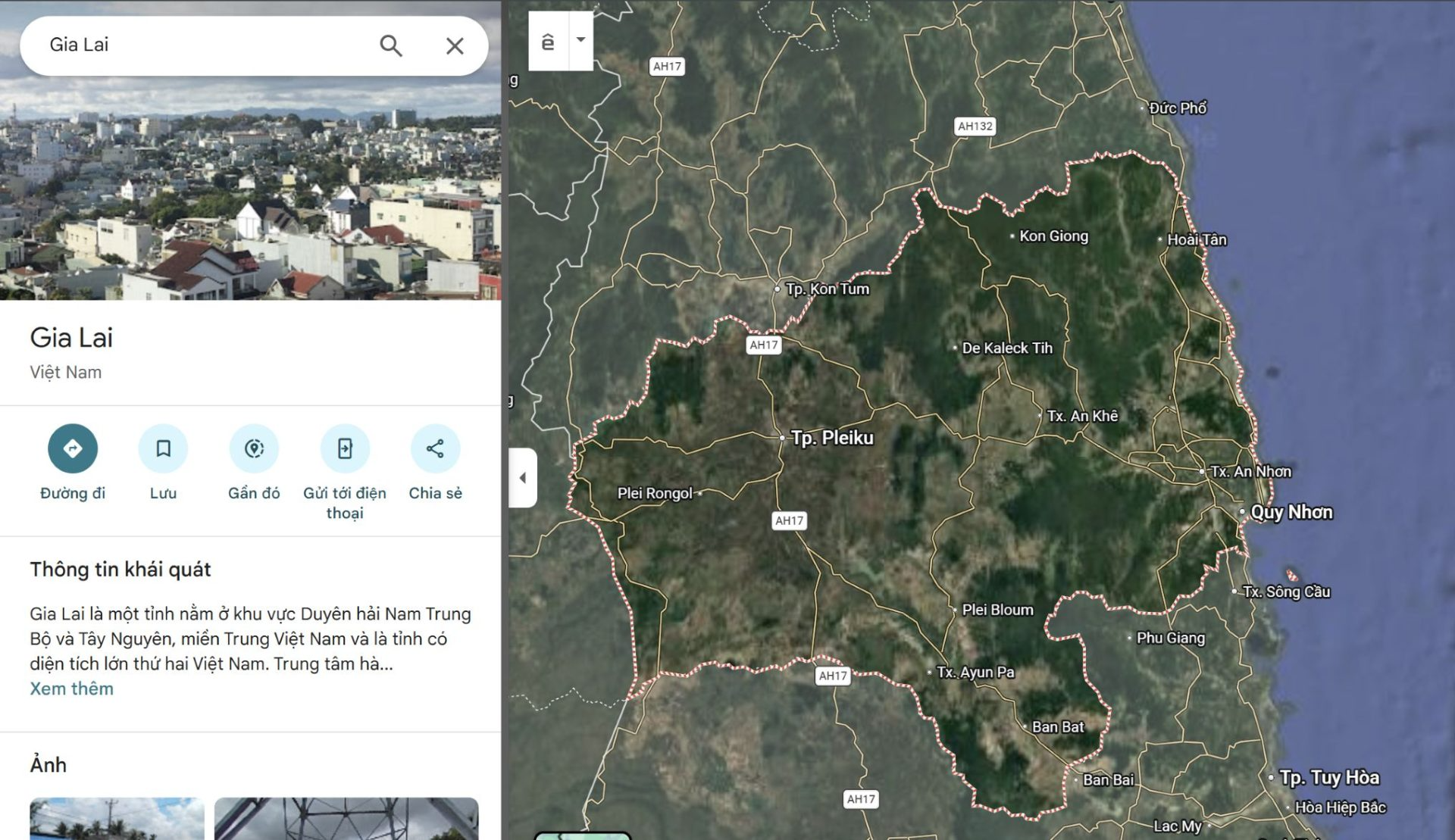
The 2025-2026 administrative shift from 63 to 34 provinces has created a massive data synchronization challenge for global mapping providers.
3. Competitive Analysis: Google Maps vs. Vietmap Live 2026
For the Vietnamese driver, the "cool factor" of AI search is secondary to the functional necessity of avoiding fines. This is where Google Maps continues to struggle against local titans like Vietmap Live.
While Google’s 40% faster route calculation is impressive, the lack of real-time "phạt nguội" (cold fine/camera) alerts remains a deal-breaker for professional drivers on the National Highway 1A. Google’s reliance on satellite imagery and user reports cannot keep pace with the physical installation of speed cameras by the Vietnamese Ministry of Transport.
4. Immersive Navigation: A 3D Experience with 5G Limitations
The new Immersive Navigation mode provides a 3D, "gamified" view of the route. This is particularly useful for complex junctions like the Nguyễn Văn Linh - Nguyễn Hữu Thọ intersection in HCMC. However, this feature demands high-bandwidth 5G connectivity.
Drivers in rural Central Vietnam or the Northern Highlands will find this feature virtually unusable as it struggles to cache the high-resolution 3D models of terrain and buildings, often defaulting back to the legacy 2D view with a "Data Error" warning.
5. Optimizing the Ownership Lifecycle in the Digital Era
As navigation technology becomes more sophisticated, it reflects the increasing value we place on our vehicles. A car is no longer just a transport tool; it is a connected mobile device. For owners in Vietnam, keeping up with these technological shifts is essential to maintaining the vehicle's resale value.
Strategic Advice for Car Owners
With the rapid advancement of ADAS (Advanced Driver Assistance Systems) and AI-integrated maps, older vehicles can quickly lose their market edge. To ensure you are getting the best return on your automotive investment:
- Know Your Value: Use a professional car valuation service to track how new tech rollouts—like the 2026 Maps update—impact the secondary market price of your specific model.
- Smart Upgrading: If your vehicle's head unit no longer supports the latest Immersive Navigation or Gemini AI features, it might be time to sell your car through a transparent bidding platform to fund an upgrade to a newer, more "connected" model.
Conclusion: Innovation vs. Infrastructure
The 2026 Google Maps update is a testament to the power of AI to transform how we interact with our cities. However, in the specific context of Vietnam, it remains a "premium layer" built on top of a still-evolving data foundation. While the AI is smarter than ever, the ground-truth data—speed limits, camera locations, and new provincial boundaries—remains the Achilles' heel. For now, the most effective driving strategy in Vietnam is a hybrid one: Google Maps for search and exploration, but a local hardware solution for navigation compliance.
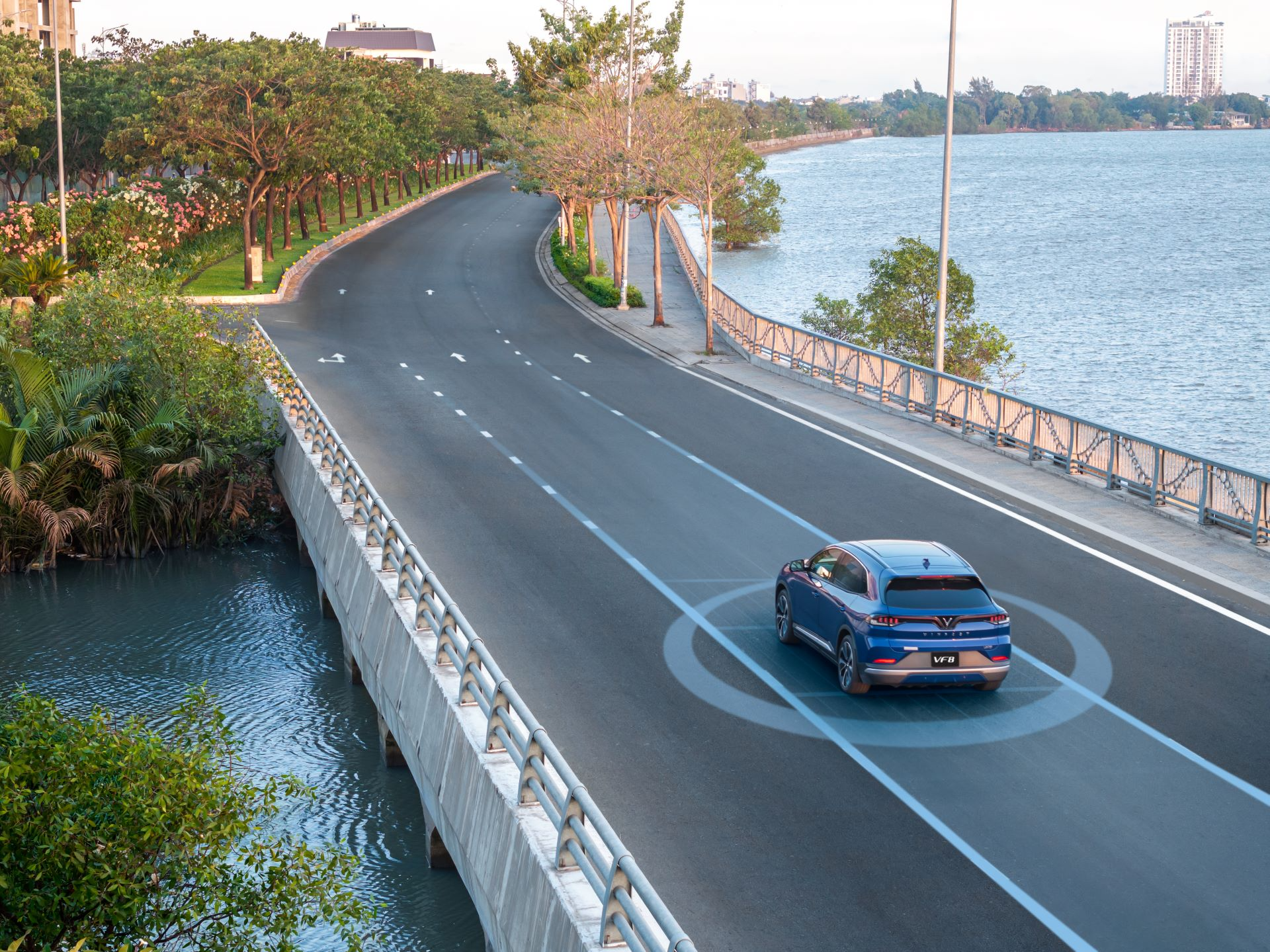 The ultimate goal of Google's 2026 update is to lay the groundwork for Level 3 and 4 autonomous driving in emerging ASEAN markets.