The Tipping Point: How Gas Price Volatility is Forcing Vietnam’s Electric Revolution in 2026
The Vietnamese automotive landscape is undergoing a structural realignment. For decades, the Internal Combustion Engine (ICE) was the undisputed king of the road. However, as we move through 2026, a convergence of geopolitical fuel instability, aggressive environmental legislation, and a maturing charging infrastructure has created a "perfect storm" for Electric Vehicles (EVs).
1. The Economic Reality of "Pump Anxiety"
In 2026, the term "Pump Anxiety" has replaced "Range Anxiety" as the primary concern for Vietnamese motorists. With global crude oil markets experiencing unprecedented volatility, the cost of a full tank for a standard SUV has increased by nearly 35% compared to 2024 levels. (Source: IEA 2026 Market Report).
Strategic Insight: The TCO Paradigm Shift
For the first time in the Vietnamese market, the Total Cost of Ownership (TCO) for a mass-market EV is now significantly lower than its ICE equivalent within just 24 months of ownership. This calculation includes maintenance savings—which are roughly 40% lower for EVs—and the continued zero-percent registration fee (Lệ phí trước bạ) incentive extended by the government through 2026.
As fuel costs bite into household budgets, savvy car owners are liquidating their petrol assets to hedge against inflation. To understand how your current vehicle's value is being affected by this shift, it is critical to get an accurate, data-driven assessment.
Get a Free Professional Car Valuation
2. Regulatory Catalysts: Euro 6 and Urban Access Zones
Beyond the financial incentive, the Vietnamese government has tightened the screws on carbon emitters. Starting in early 2026, major metropolitan areas including Hanoi and Ho Chi Minh City have implemented "Green Zones" where older ICE vehicles (pre-Euro 4) are subject to congestion charges or outright bans during peak hours. (Source: Ministry of Transport, 2026).
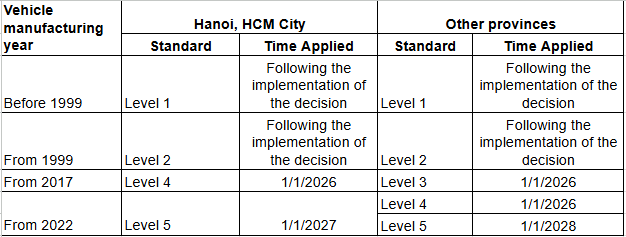 New regulatory frameworks are devaluing high-emission vehicles while subsidizing the transition to sustainable mobility.This legislative pressure is forcing a mass migration toward vehicles that carry "Green Plates." Motorist’s regional data indicates that 1 in 3 sellers in 2026 cite "Regulatory Compliance" as a top-three reason for upgrading their vehicle. The secondary market for petrol cars is becoming increasingly competitive, making it vital to sell through platforms that can access a wide network of buyers.
3. The Charging Infrastructure Tipping Point
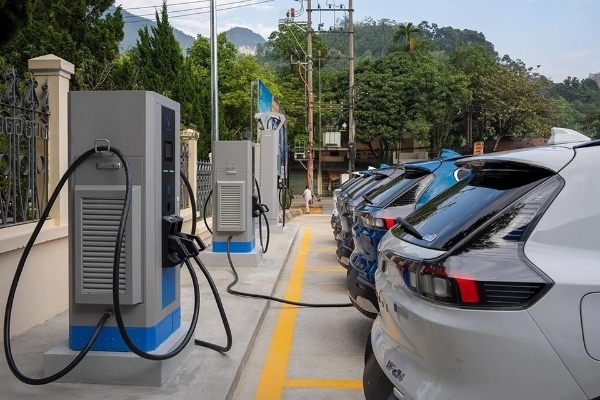
A common critique of EVs in 2024 was the lack of charging options outside the VinFast ecosystem. By 2026, this has changed fundamentally. Third-party charging providers such as EBOOST, Charge+ and others have partnered with retail malls, residential complexes, and gas stations to create a universal charging grid.
Risk Factor: Battery Degradation & Resale Value
While the transition is inevitable, the "Secondary EV Market" is still maturing. Buyers are wary of battery health. In 2026, a certified battery health report is the single most important document when trying to maintain a high resale value for your electric car. Traditional valuation methods often fail to capture this technological nuance.
For those looking to exit the ICE market while prices are still relatively stable, the window is narrowing. The influx of high-quality, affordable EVs from brands like BYD, Xpeng, and the domestic giant VinFast is saturating the market, making older petrol models less attractive to the younger, tech-focused demographic.
Sell Your Car Fast at the Best Price
4. Comparative Cost Analysis (2026 Projections)
To visualize the financial impact, our analysts have compared a mid-size petrol sedan against a mid-size EV over a 5-year ownership period in the current 2026 economic climate.
| Expense Category | ICE Vehicle (Petrol) | Electric Vehicle (EV) |
|---|---|---|
| Annual Fuel/Energy Cost | ~45,000,000 VND | ~12,000,000 VND |
| Maintenance (5 Years) | High (Oil, Filters, Tranny) | Low (Coolant, Tyres) |
| Government Incentives | None / Surcharges | Registration Tax Exemption |
| Est. 5-Year Savings | 0 VND | > 220,000,000 VND |
5. FAQ: Transitioning to EVs in 2026
Is it the right time to sell my petrol car?
Yes. As of early 2026, secondary market prices for high-emission vehicles are beginning to soften. Selling now allows you to capture the maximum residual value before the 2027-2030 Euro 6 phase-in further devalues older internal combustion technology.
How does Motorist help in this transition?
Motorist acts as your "AutoConcierge." We provide transparent car valuations and connect you to a network of 600+ verified dealers, ensuring you get the highest possible price for your current vehicle to fund your EV upgrade.
What is the most important factor when buying a used EV?
Battery health certification and remaining warranty coverage. In 2026, most manufacturers offer 8-year or 160,000km battery warranties; ensure the vehicle you are eyeing is well within these limits.
Conclusion: Navigating the New Normal
The pivot to electric vehicles in Vietnam is no longer a matter of "if" but "when." Fluctuating gas prices have merely accelerated an existing trend driven by technology and regulation. By leveraging professional tools for valuation and selling, Vietnamese motorists can navigate this transition not just as an environmental choice, but as a superior financial strategy.
Ready to make the switch?
Don't let market volatility dictate your wealth.
Get an expert valuation today.