The 2026 Paperwork Guide: Transferring Car Ownership in Vietnam via Web Portals

The year 2026 represents a landmark in Vietnam's administrative modernization. Following the "AutoConcierge" philosophy adopted by regional leaders like Motorist—now a powerhouse valued at $60 million USD (Source: Motorist Strategic Intelligence Dossier, 2026)—the Vietnamese government has successfully integrated the VNeID Level 2 digital identity system with the National Public Service Portal. This integration has effectively replaced legacy paper-based transfers with a sophisticated, data-driven web portal workflow.
Strategic Insight:
The shift to 'Identification License Plates' means the plate now follows the person, not the car. This structural change requires a mandatory "Recall" phase before any transfer can be validated by the Ministry of Public Security.
1. The Digital Foundation: Prerequisites for 2026 Transfers
Before initiating an online transfer, both buyers and sellers must navigate a landscape defined by "Data Interconnectivity." In 2026, the absence of a verified digital footprint is a hard block to vehicle registration.
Mandatory Digital Credentials
All parties must possess a VNeID Level 2 Account. This account serves as the primary authentication layer for digital signatures on sales contracts and tax declarations. Furthermore, the vehicle itself must be "Clean"—meaning it is free from outstanding "Cold Fines" (phạt nguội) or tax liabilities, as the portal will automatically reject applications tied to delinquent VINs (Source: Vietnam Public Service Portal, 2026).
Risk Factor:
Failure to complete the "License Plate Recall" (Thu hồi biển số) procedure within 30 days of the sale agreement can result in significant administrative fines for the seller, as they remain legally responsible for any liabilities incurred by the vehicle under their identification.
2. The 5-Phase Online Transfer Process
Phase 1: Plate & Registration Recall (Seller Action)
The seller logs into the Ministry of Public Security Portal to declare the vehicle's disposal. The system generates a "Recall Record Number." This digital token is critical; the buyer cannot proceed with registration without it. The seller then returns the physical plate and registration card to the local traffic police (CSGT) department.
Phase 2: Executing the Digital Sales Contract
In 2026, digital contracts signed via authorized platforms have full legal parity with notarized paper contracts. Using services such as Sell Car ensures that the contract template adheres to the latest Ministry of Justice requirements, minimizing the risk of rejection at the registration stage.
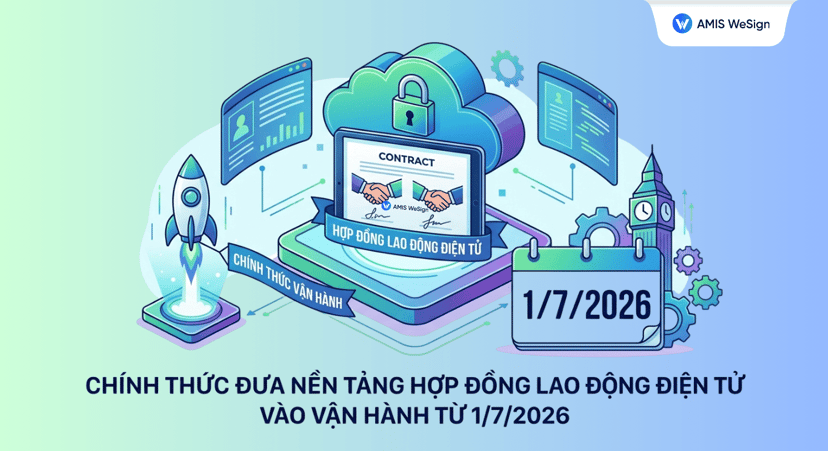
Blockchain-backed digital signatures ensure that sales contracts are tamper-proof and instantly verified by government portals.
Phase 3: Registration Declaration & Tax Computation
The buyer enters the Recall Record Number into the registration portal. The system automatically pulls vehicle data from the national registry. To ensure you are paying the correct tax amount based on 2026 depreciation scales, it is highly recommended to perform a Car Valuation before finalizing the transaction price.
Phase 4: Electronic Registration Fee Payment
The portal redirects the user to the National Payment Gateway. For used cars, the standard fee remains 2% of the adjusted residual value. Once paid, the system issues an electronic tax receipt (Source: General Department of Taxation, 2026).
Phase 5: Physical Inspection & Plate Assignment
The final step requires the buyer to bring the vehicle to the CSGT office for a physical VIN/Engine number check. Following verification, the buyer either assigns their existing identification plate to the vehicle or draws a new number from the digital pool.
3. Critical Regulatory Mandates for 2026
Ownership transfer in 2026 is no longer just about paperwork; it is a point of enforcement for new safety and environmental standards.
The Child Safety Seat Law
As of 2026, Vietnam has strictly enforced the use of child safety seats for children under 12 or below 1.35 meters in height (Source: Motorist Strategic Intelligence Dossier, 2026). Inspectors at registration centers may verify if the vehicle is equipped with appropriate ISOFIX points or safety restraints during the transfer inspection.
Emission Compliance
With Vietnam's commitment to the Net Zero roadmap, vehicles that fail to meet updated emission standards (Euro 4 for older models, Euro 5 for newer) will be blocked from ownership transfer until they are retrofitted or repaired (Source: Vietnam News, 2026).
4. 2026 Ownership Transfer Fee Schedule
| Fee Category | Requirement / Rate | Payment Method |
|---|---|---|
| Registration Tax (Used) | 2% of Residual Value | Online Portal / E-Wallet |
| Plate Assignment Fee | ~150,000 VND | Direct Bank Transfer |
| Inspection Fee | Varies by vehicle type | In-person / Portal Pre-pay |
5. FAQ: Navigating the 2026 Portal System
Q: Can I transfer a car if the previous owner is deceased?
Analysis: Yes, but this requires an "Inheritance Certificate" verified by a notary. The portal has a specific "Inheritance" track that allows the legal heir to sign the recall declaration using their own VNeID.
Q: What happens if the web portal is down?
Strategic View: While the 2026 system is robust, government maintenance periods occur. In such cases, 24-hour "Fast-Track" kiosks are available at major CSGT hubs to handle digital declarations offline.
Conclusion & Strategic Recommendation
The 2026 automotive transfer landscape in Vietnam rewards preparation. By leveraging digital platforms, you reduce the transaction cycle from weeks to days. For high-value transactions, the most efficient pathway is to utilize ecosystem players that offer integrated valuation and selling services.
As Vietnam continues its rapid automotive expansion, staying compliant with digital identification and safety standards is paramount to protecting your investment.
Ready to sell or buy a car in Vietnam's digital market?
Utilize the 2026 ecosystem tools from Motorist Vietnam for a seamless experience:
Sell My Car Fast Check Market Valuation