Vietnam's Digital Shift: The Complete Guide to Electronic Vehicle Inspection Certificates (Starting March 1)
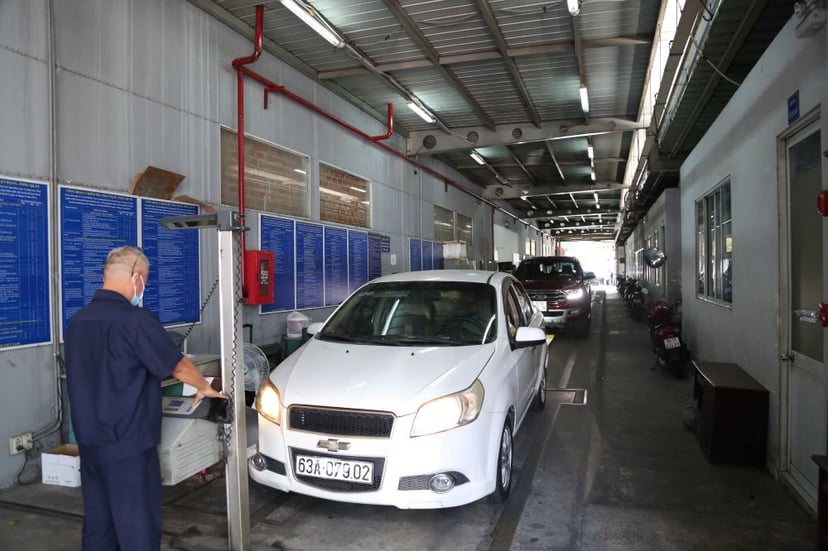
Vietnam’s automotive landscape is undergoing its most significant administrative transformation in decades. On March 1, 2026, the Viet Nam Register (VR) officially launched the issuance of electronic certificates for technical safety and environmental protection. This shift from physical paper to a cloud-based digital architecture is not merely a convenience; it is a strategic pillar of Vietnam's broader "Digital Government 2030" initiative. (Source: Viet Nam Register, 2026)
The March 1st Mandate: What is Changing?
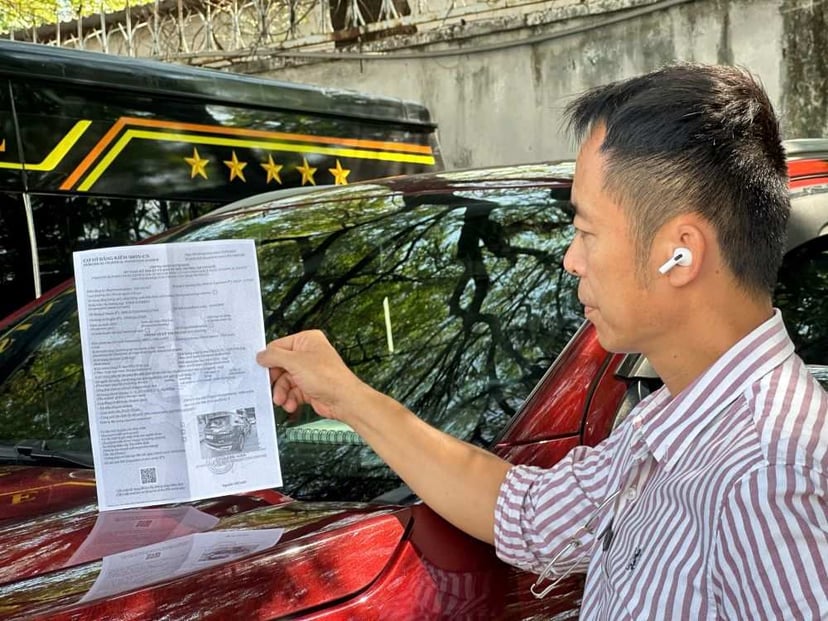
The traditional yellow paper inspection certificate is being phased out in favor of a digital-first model. Under the new regulations, motor vehicle registration centers nationwide now issue electronic certificates to all vehicles that successfully pass their technical and emissions evaluations.
Key Features of the Electronic Certificate:
- Legal Validity: The electronic version holds the same legal weight as a physical copy.
- QR Code Integration: Every inspection stamp pasted on the windshield now includes a QR code linked directly to the VR database.
- Real-time Access: Data is synchronized across the Ministry of Transport and the Ministry of Public Security for immediate roadside verification.
 New Emissions Standards: A Stricter Barrier
 New Emissions Standards: A Stricter Barrier
The digital transition coincides with the enforcement of Decision No. 43/2025/QD-TTg, which introduces a tiered roadmap for vehicle emissions. For the first time, your vehicle's emission level (from Level 1 to Level 4) will be clearly displayed on your electronic certificate.
| Year of Manufacture | Required Standard | Implementation Date |
|---|---|---|
| Before 1999 | Level 1 (Euro 1) | March 1, 2026 |
| 1999 – 2016 | Level 2 (Euro 2) | March 1, 2026 |
| 2017 – 2021 | Level 3 (Euro 3) | March 1, 2026 |
| 2022 onwards | Level 4 (Euro 4) | March 1, 2026 |
Impact on the Secondary Market
For those looking to sell their car in the current market, digital certificates offer a "Trust-as-a-Service" model. Information asymmetry has long plagued the used car trade in Southeast Asia, leading to the "lemon market" phenomenon. (Source: Carro Strategic Dossier)
By digitizing the inspection history, buyers can now instantly verify a vehicle's mechanical health and emissions compliance via a simple QR scan. This transparency helps owners valuate their car more accurately, as a clean, digital record of maintenance and compliance acts as a premium value multiplier.
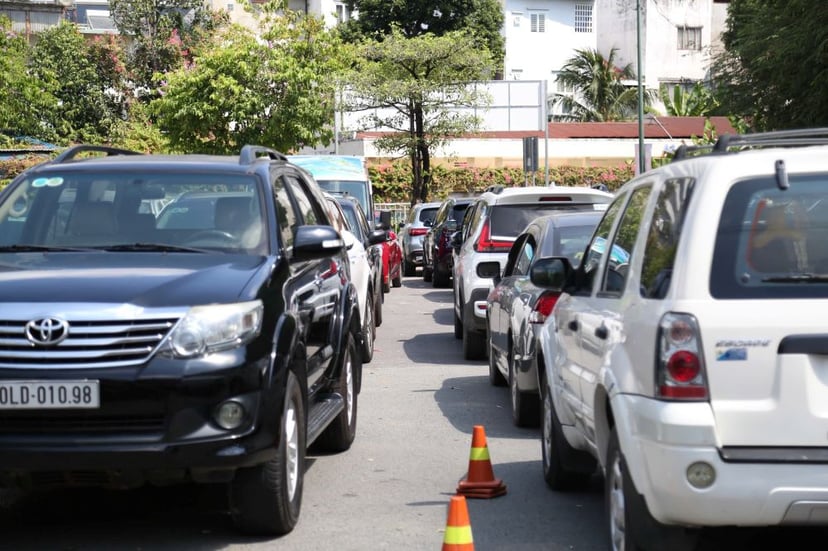 The new inspection process includes stricter high-speed engine measurement for gasoline vehicles to ensure accurate emission readings.
Mandatory Child Safety Seats
Complementing the technical inspection shift is the Road Traffic Safety Law effective January 1, 2026. Drivers are now required to use child safety seats for children under 10 years old and shorter than 1.35 meters. (Source: AIP Foundation, 2025)
While the inspection centers primarily check mechanical components, the inclusion of these safety standards in the broader regulatory framework indicates a shift toward a holistic "Human-Centric" safety model.
FAQ: Everything You Need to Know
Q: Where can I look up my electronic certificate?
A: Visit the official portal at https://gcndangkiem.vr.org.vn. You will need your license plate number and the last 6 digits of your chassis (frame) number.
Q: Can I still get a paper copy?
A: Yes. If requested, centers will print a copy directly from the system and apply a physical stamp for confirmation.
Q: Is my electronic certificate integrated with VNeID?
A: Yes, data is being synchronized with the Ministry of Public Security to appear in the VNeID and VNeTraffic apps for easier management.
Q: What happens if my car fails the new emissions test?
A: You will have to pay an additional 50% re-inspection fee if returning the same day, or 100% if returning the following day. It is highly recommended to perform maintenance before your appointment.
Conclusion: Navigating the New Road
The March 1st issuance of electronic vehicle inspection certificates marks a milestone in Vietnam's goal to eliminate fraud and reduce administrative overhead—saving billions of VND in annual printing costs. For drivers, it means a more transparent, paperless future. For the environment, it ensures that every vehicle on the road meets the rigorous standards required for a cleaner tomorrow.